
Tornado Brain is a book that’s near and dear to my heart because I wrote it as a love letter to one of my daughters, who was diagnosed with autism and ADHD when she was six. Here’s a look at why I wrote Tornado Brain and what I hoped it’d do for neurodivergent and neurotypical readers alike.

The brilliance of neurodivergent brains
I’m not a neuroscientist, but over nearly 18 years, I’ve observed that the neurodivergent brain in my house is nothing short of amazing. My daughter:
1. Has a better understanding of the English language than I do, and I’m a person who writes for a living.
2. Grasps concepts at lightning speed and can connect dots and skip steps to mentally arrive at answers that are “obvious” before I’ve even begun to absorb…wait, what were we talking about?
3. Is funny in the smartest way possible.
4. Is creative in the deepest way possible.
5. Is so very easy to admire and love.
But she would probably tell you a different story about herself, one woven by years of challenges and heartbreak. There have been struggles to find and keep friends, survive social situations, and manage anxiety and depression—on top of a host of sensory and executive functioning roadblocks. The world and school system were not built for brains like these.
Creating a hero with a Tornado Brain
My daughters weren’t teens when I wrote the book. They were in third grade, reading “up,” checking out stories about teens—but there weren’t many (or any?) main characters who were like my neurodivergent daughter. I wanted to fill that void, first for the readers in my household, but for all the other Tornado Brains out there, feeling misunderstood and different.
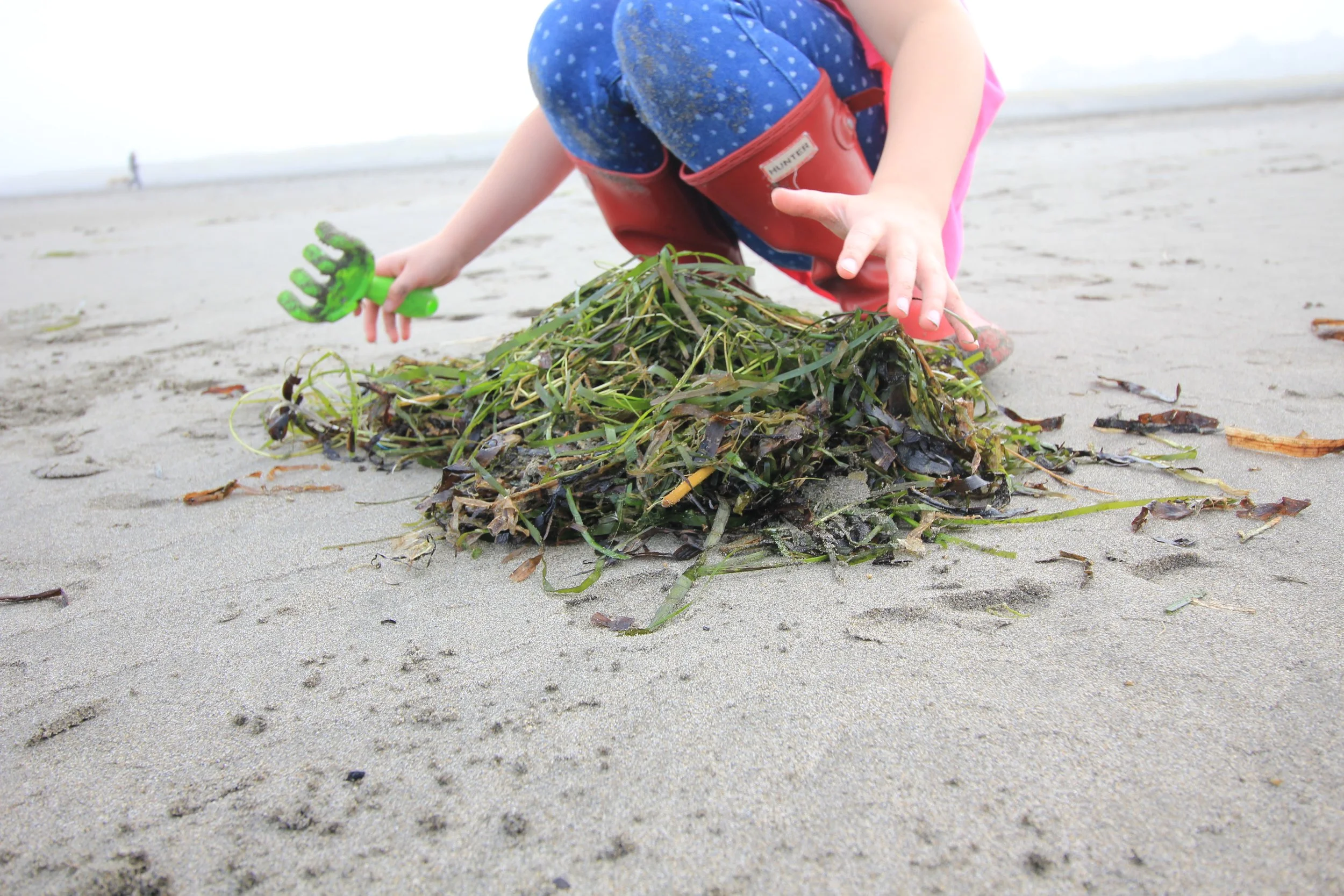
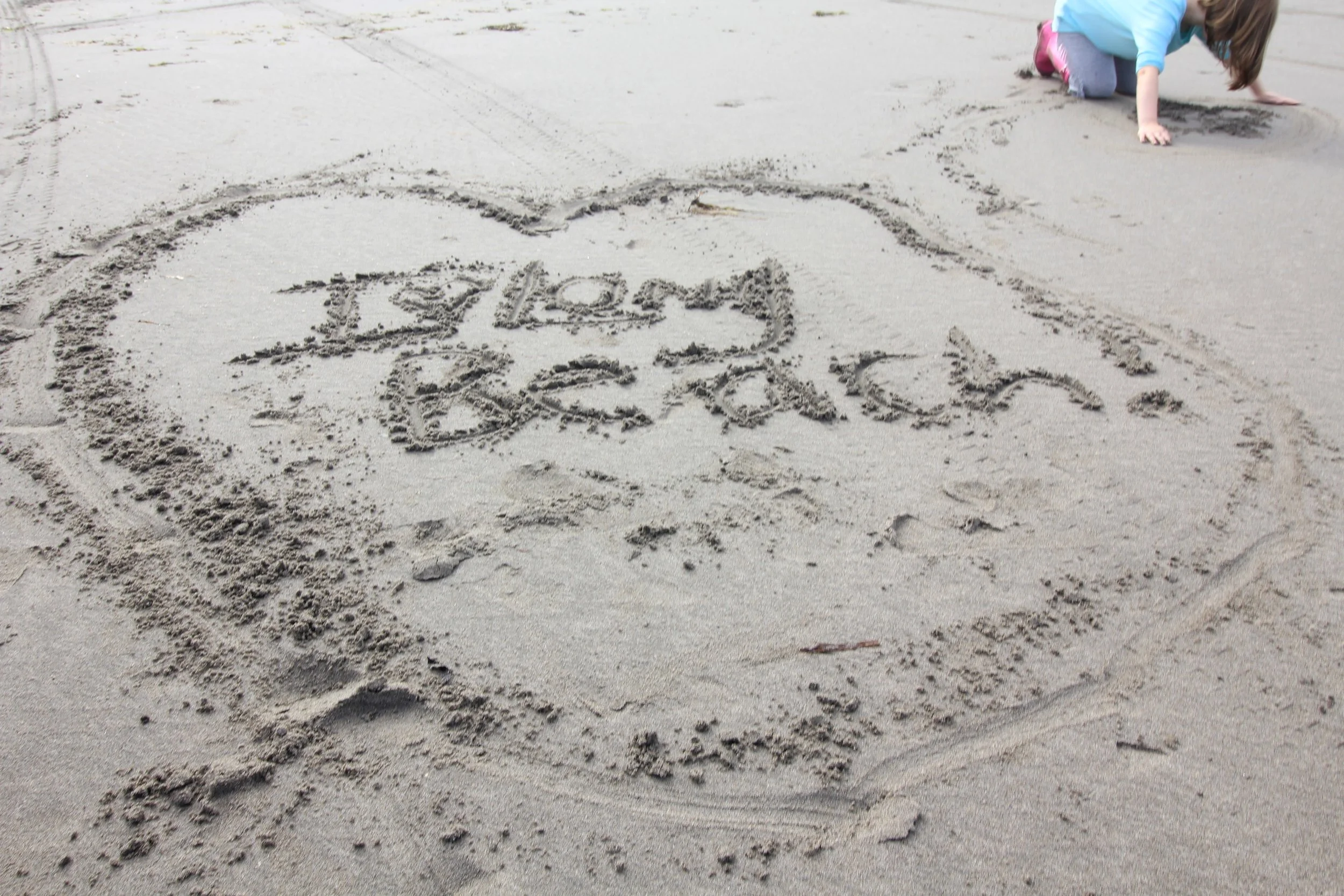
I named the character Frankie after a beautiful soul in my life who also had a complicated brain. In real life, we were looking ahead to middle school; in the book, I challenged Frankie with the shifting dynamics of middle school friendships. A lifelong lover of mysteries, I decided to make the book a mystery that only clever, observant Frankie could solve. And since Long Beach, Washington, was the one place I saw my daughter truly exhale, I set the book there.
I wanted Frankie to be a force of nature, strong without having to change who she fundamentally is. Her neurodiversity is integral to her strength. It’s her superpower, even though sometimes it feels like a heavy burden.
The importance of Tess
In Tornado Brain, Frankie is a twin to Tess; in real life, my neurodivergent daughter has a neurotypical twin, too. If you’re a parent of a Tornado Brain with other kids, you know firsthand the challenges associated with balancing the often-louder needs of one child with the quieter, but still very real, needs of another. When I wrote the book, I wanted to help my neurotypical daughter see what it might be like to be inside her sister’s brain—and I flipped the script in the companion, Paper Heart, which is told from Tess’s perspective. (That one’s my love letter to my mini me, the one who’s lived in compromise and being okay when sometimes she really wasn’t.)
Messages of support
To every kid out there who feels like their brain operates on a different frequency—it does, and that’s a good thing! Your mind is powerful. You are going to find your place and your person/people if you haven’t already. You are exactly who you are meant to be.
To the parents navigating IEP meetings, sensory meltdowns, and the exhaustion of constantly advocating for your child: I see you. You are doing an incredible job. Keep fighting for them and keep reminding them of their brilliance.
To neurotypical readers, if you know someone like Frankie, consider taking a second to reach out to them in whatever way feels normal. Comment on a social post. Invite them to a low-stakes hangout. Tell them you like their shoes (if it’s true). They’re battling a lot every day to do things that come naturally to others. A kind word goes a long way.
To teachers and librarians, if you’re looking for ways to foster Frankie-style resilience with students, this free download includes information for students and parents about the importance of resilience or grit, plus reflection pages, and habit trackers. Students can use the trackers to mark each square when they demonstrate some of the most important skills that build resilience: Strengths-based problem solving, growth mindset, flexible thinking, and gratitude.